
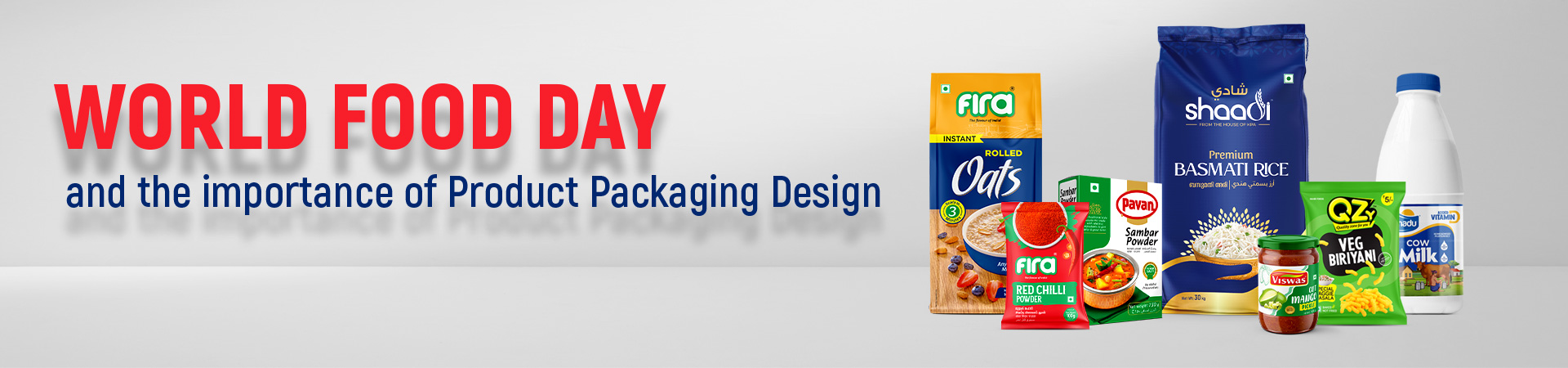
Every year on October 16, the
world celebrates World Food Day, an initiative by the United Nations’
Food and Agriculture Organization (FAO) to promote global awareness about
hunger, nutrition, and food security.
Beyond the discussions on agriculture
and food systems, this day also highlights the importance of innovation and
sustainability — two principles deeply rooted in good product packaging
design. Packaging not only protects what we eat but also tells stories,
builds trust, and influences how we choose our food.
Why Good
Packaging Design Matters in the Food Industry
In the modern marketplace, where
visual impact drives purchase decisions, packaging serves as a brand’s silent
ambassador. A well-designed food package:
1.
Grabs
attention on shelves and online stores.
2.
Communicates
freshness, flavour, and quality.
3.
Builds brand
credibility and emotional connection.
4.
Preserves
product safety and hygiene.
From the colours and typography to the
material and labelling, every element shapes how consumers perceive a product
before they even taste it.
Sustainable
Packaging: The Heart of World Food Day
This year’s World Food Day theme
emphasizes sustainability and responsible consumption. Packaging plays a
vital role in this movement.
Adopting eco-friendly packaging
— such as biodegradable containers, recyclable boxes, and minimal plastic
designs — not only reduces waste but also aligns with the global mission to
protect our planet.
Sustainable
design practices include:
1. Using renewable or recyclable materials.
2. Designing for reusability or compostability.
3. Minimizing excessive packaging layers.
4. Communicating clear disposal instructions.
These practices make packaging part of
the solution to food waste and pollution, not the problem.
The Storytelling
Power of Packaging
Food packaging isn’t just functional —
it’s emotional and cultural.
A good design tells the story of the product: where it comes from, what values
it stands for, and why it’s worth choosing.
Whether it’s an artisanal local snack
with traditional patterns or a sleek organic product with a minimalist design, packaging
builds identity and trust.
It transforms an ordinary food item into an experience that customers
remember.
How Great Design
Supports Global Food Goals
Thoughtful packaging design
contributes directly to the mission of World Food Day by:
1. Supporting sustainability goals through
eco-conscious materials.
2. Encouraging mindful consumption with
transparent labelling.
3. Preserving nutritional value and freshness
during storage and transport.
4. Promoting food accessibility through
cost-effective design innovations.
Each creative decision in packaging
design can play a small yet powerful role in shaping a more sustainable and
equitable food future.
Conclusion
As we celebrate World Food Day,
it’s time to recognize that great packaging design isn’t just about looks —
it’s about purpose. It connects brands and consumers while championing sustainability,
safety, and storytelling.
In a world striving for zero hunger and responsible production, good product packaging design becomes a symbol of care — for people, for products, and for the planet.